Understanding the Imbalance: A Global Seesaw
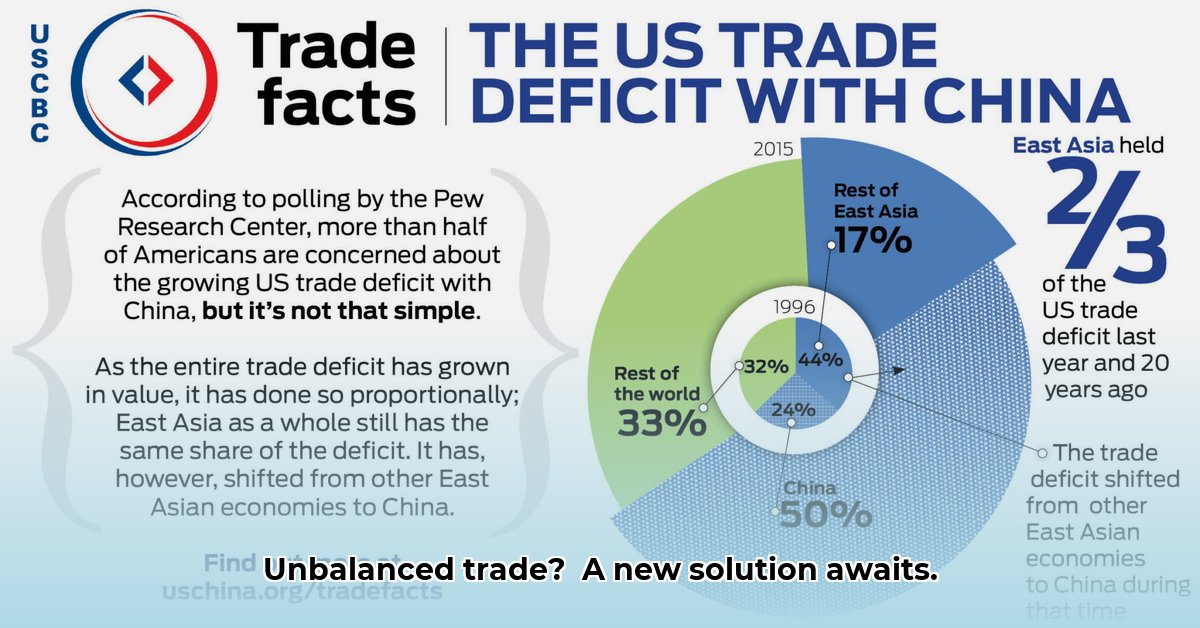
The persistent trade imbalances between the United States and East Asian economies represent a significant challenge to global economic stability. This isn't merely a matter of accounting discrepancies; it reflects deeper structural issues and power dynamics that threaten sustainable growth. The current situation resembles a seesaw tilted heavily in favor of East Asia, raising concerns about fair competition and the potential for destabilizing economic consequences. But how did we get here, and what can be done to rebalance this precarious system? For further insights on global economics, check out this helpful resource.
Lessons from the Past: The 1985 Plaza Accord and its Relevance Today
The 1985 Plaza Accord, an agreement among five major economies to devalue the US dollar, offers a valuable historical precedent. This coordinated effort aimed to address similar trade imbalances, achieving some success in re-balancing trade flows. However, the Accord also had unintended consequences, including the contribution to asset bubbles in Japan and other countries, highlighting the complexities of such interventions. The key difference today is the rise of China, a major player absent from the original Accord, fundamentally altering the geopolitical equation and significantly increasing the complexity of addressing current imbalances.
Analyzing the Current Situation: A Multifaceted Problem
The US currently faces substantial trade deficits with several East Asian nations. While the existence of these imbalances is widely acknowledged, the underlying causes and optimal solutions remain points of intense debate. The rapid export-led growth of China, particularly its manufacturing dominance, is frequently cited as a key factor. The debate frequently centers on accusations of currency manipulation by some East Asian nations, although the extent and impact of such practices remain highly contested. It's a multifaceted problem, not neatly attributable to a single cause. "The situation is far from simple," explains Dr. Anya Sharma, Professor of International Economics at the University of California, Berkeley, "a myriad of interwoven factors contribute to this complex challenge."
A Coordinated Response: The Need for a New Plaza Accord
Many economists advocate for a new coordinated international approach, drawing inspiration from the Plaza Accord. This would likely involve:
Managed Dollar Depreciation: A carefully calibrated weakening of the dollar could improve the competitiveness of American goods, reducing the trade deficit. However, it risks triggering currency wars, where multiple nations engage in competitive devaluations, amplifying instability.
US Fiscal Responsibility: Internal fiscal discipline is crucial. Reducing the US budget deficit would improve confidence in the US economy, lessening the need for external capital inflow that often exacerbates trade deficits.
Resisting Protectionism: Protectionist measures like tariffs are generally regarded as counterproductive, often escalating tensions and harming global economic growth. Prioritizing open and fair trade practices remains the preferred approach.
Implementing this multifaceted strategy faces substantial challenges. Geopolitical tensions and differing national interests could seriously hinder progress. "A truly cooperative global effort is the only path toward a lasting solution," notes Mr. David Chen, Senior Fellow at the Peterson Institute for International Economics.
Actionable Steps: A Collaborative Framework
The following steps outline a potential path forward, emphasizing collaboration among key stakeholders:
1. US Government: Initiate bilateral discussions with East Asian nations, pursue fiscal responsibility, and explore options for coordinated currency adjustments (short-term); develop a comprehensive multilateral trade strategy, foster stronger international cooperation, and invest in domestic industries' competitiveness (long-term).
2. East Asian Governments: Monitor currency movements closely, diversify export goods and services, and manage domestic inflation (short-term); promote deeper regional economic integration, explore alternative international financial arrangements, and invest in cutting-edge technologies (long-term).
3. Multinational Firms: Analyze potential supply chain disruptions and develop contingency plans (short-term); diversify manufacturing bases, create more resilient supply chains, and advocate for policies supporting international trade cooperation (long-term).
Navigating the Risks: Potential Pitfalls and Mitigation
Several significant risks threaten the success of this cooperative approach:
Currency Wars: The likelihood is high, with severe potential impact. Mitigation requires coordinated exchange rate policies, enhanced cooperation, and greater transparency.
Protectionist Backlash: The likelihood is moderate, with moderate potential impact. Mitigation necessitates support for targeted trade agreements, bilateral and multilateral negotiations, and an emphasis on shared economic benefits.
Geopolitical Instability: The likelihood is high, with severe potential impact. Mitigation involves prioritizing diplomatic efforts, fostering conflict resolution mechanisms, and focusing on areas of mutual interest.
Supply Chain Disruptions: The likelihood is moderate, with moderate potential impact. Mitigation strategies include diversifying supply chains, pursuing regionalization of manufacturing, and investing in infrastructure resilience.
Conclusion: Cooperation as the Cornerstone of Stability
Addressing East Asian trade imbalances demands a comprehensive, collaborative strategy. While the path forward presents challenges, the potential rewards – enhanced global economic stability and reduced geopolitical tensions – are substantial. A concerted, multilateral effort, reminiscent of the spirit of the Plaza Accord but adapted to the current geopolitical realities, is not merely desirable but essential for sustainable global economic health. Ignoring these imbalances invites instability; proactive cooperation paves the way for a more prosperous future for all.